
Molded Pulp vs. Plastic Packaging: Cost-Performance Guide
This guide compares molded pulp packaging trays with ordinary plastic packaging from a buyer decision view. It focuses on the criteria that change total cost and delivered protection: compliance, unit cost, logistics, shock absorption, disposal and brand appearance.
The short answer, explained in detail below: for products that travel long distances, require reliable inner protection, and are exported to regulated markets such as the EU, UK or North America, molded pulp trays can offer better overall cost-performance than ordinary plastic packaging even when the per-tray price is somewhat higher. In lower-risk, price-only comparisons, ordinary plastic packaging still represents the conventional baseline. The right choice depends on what you measure.
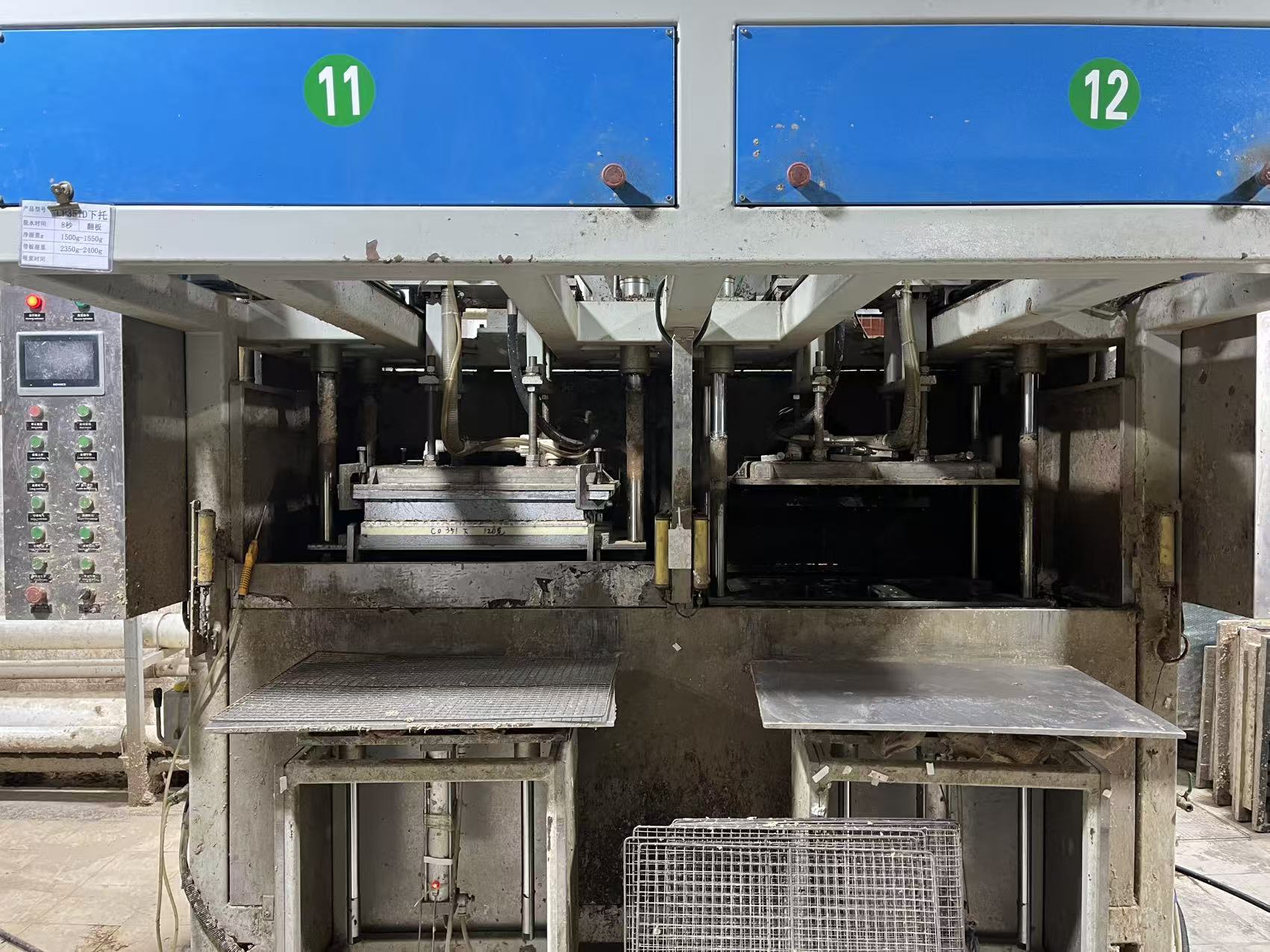
The Molded Pulp vs Plastic Packaging Problem Buyers Face
Buyers today are asked to make packaging decisions that were previously simple: how do you protect the product at the lowest purchase price? Plastic trays and plastic cushioning have a long supply history and a low visible unit price. But decision makers are also being asked to consider plastic taxes, packaging regulations, recycling rules, return damage and brand reputation.
These factors no longer sit on the periphery. The European Packaging and Packaging Waste Regulation (EU) 2025/40 entered into force on 11 February 2025 and requires all packaging to be recyclable by 1 January 2030, according to the European Commission and Baker McKenzie. For export-focused manufacturers, that is not a distant trend; it is a scheduling issue for packaging development cycles.
In parallel, the global molded pulp packaging market is reported by Grand View Research at USD 6.2 billion in 2025 and is projected to reach USD 10.2 billion by 2033. Asia Pacific accounted for 41.0% of the market in 2025, with China holding the largest share, and the tray segment led the global market with over 41.0% revenue share. Molded pulp trays, in other words, are no longer a niche alternative.
For a packaging engineer, procurement manager or brand owner, this creates a real evaluation problem. Unit price alone no longer describes the full cost of a packaging material. The comparison must include protection, nesting space, regulatory exposure, disposal behavior and customer perception.
What Molded Pulp Packaging Is Made Of
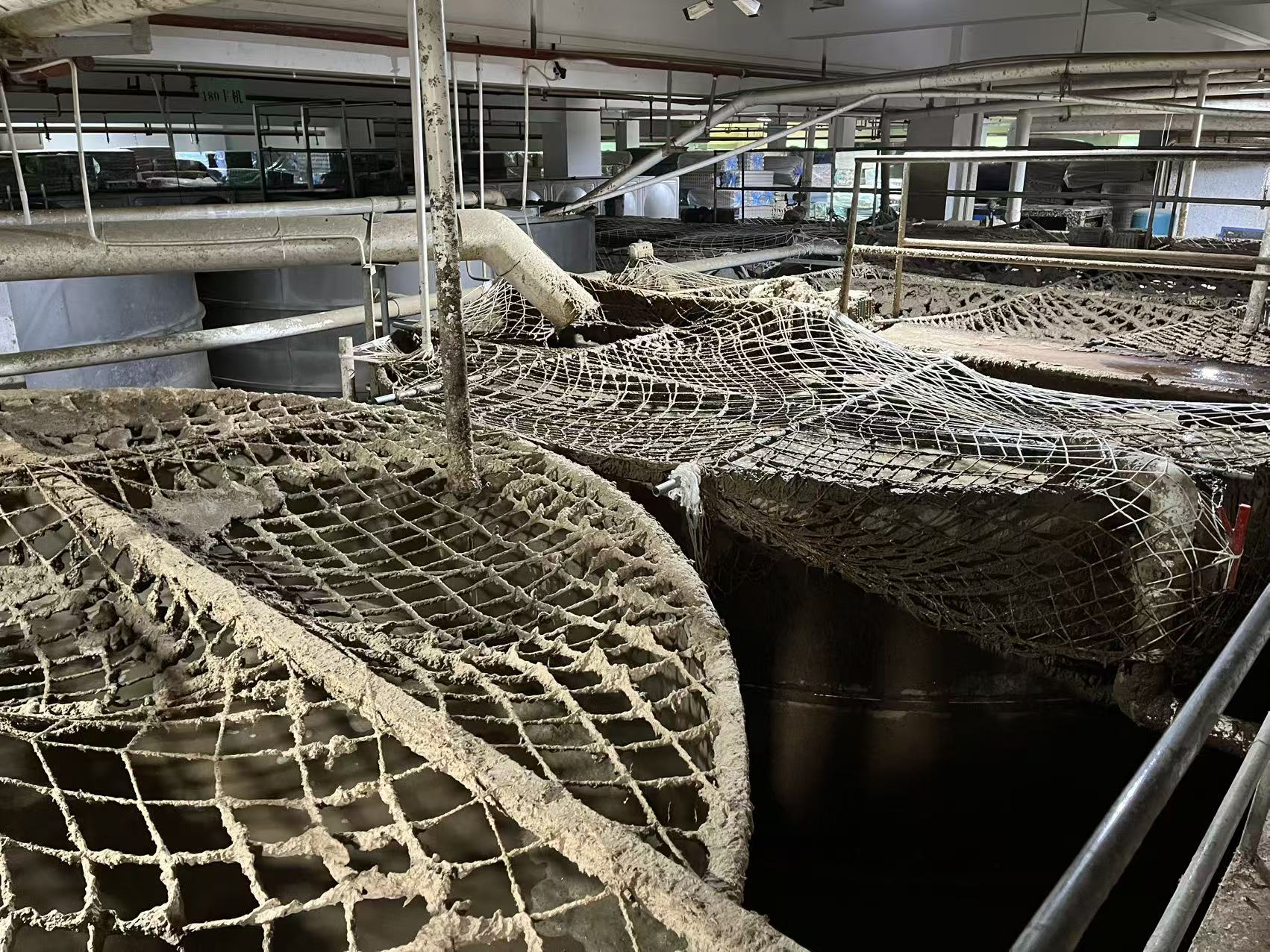
Molded pulp, also called molded fiber, is formed from natural plant fibers such as wood pulp, bamboo pulp and sugarcane pulp. The fiber is mixed with water, formed against a mold, dewatered and dried, and in many cases finished by hot pressing. The finished structure can be shaped to follow product contours and used as trays, liners, cushioning or showcases inside a shipping carton or retail gift box.
A useful way to view molded pulp is as a structural packaging material, not simply a paper substitute. The fibers interlock and create a protective matrix. In practice, the material can be tuned through formulation, thickness and process parameters.
For application planning, molded pulp trays are available in several grades or variants: Molded Pulp Trays, Custom Molded Pulp Trays, Pulp Packaging Trays, Eco-Friendly Molded Fiber Trays, Biodegradable Pulp Trays, Medical Device Pulp Trays, Cosmetic Packaging Pulp Trays, Food Grade Molded Pulp Trays, Heavy Duty Molded Pulp Trays and other protective formats. These names describe the same core material adapted to different industries and performance needs.
Detailed Comparison: Molded Pulp Trays vs Plastic Packaging
The comparison below is based on the measured and published differences between natural-fiber molded pulp trays and ordinary plastic packaging. Molded pulp offers a performance profile that is particularly valuable when shipping fragile or high-value goods across long distances.
| Evaluation Criterion | Molded Pulp Trays | Ordinary Plastic Packaging |
|---|---|---|
| Shock absorption and cushioning | 25-35% better cushioning performance than ordinary plastic packaging in comparative evaluation | Baseline performance level |
| Storage and transport space | 40-60% of storage/transport space can be saved by nested stacking of tray designs | Space efficiency depends on tray geometry and carton design |
| Upfront unit cost | Slightly higher unit cost than ordinary plastic packaging for a comparable tray | Generally lower piece price at the point of purchase |
| EU/UK/North America export compliance cost | Lower overall compliance cost for EU export, with no plastic-tax surcharge in the molded pulp calculation | May carry plastic tax and packaging regulation exposure in those markets |
| Environmental profile | Made from renewable plant fiber; supports biodegradability, recyclability and compostability | Typically fossil-based; requires collection and recycling systems at end of life |
| Post-use handling | Degradable, recyclable and compostable; no special post-use disposal maintenance required | Usually needs separate sorting and recycling processes |
Two numbers deserve attention. The first is the 25-35% cushioning improvement over ordinary plastic packaging. For electronics, lighting fixtures, glass containers and precision components, that difference reduces transport damage risk. The second is the 40-60% space saving through nested stacking. Because molded pulp trays can nest inside one another, more pieces fit into the same carton or container, which lowers storage and freight costs.
Cost-performance reading: a slightly higher tray price can be offset by lower logistics volume, lower damage rates and lower regulatory cost. Buyers who compare molded pulp and plastic only at the unit-price line will miss these offsets.
Supplier-Level Evidence: How Tonghe Paper Uses Molded Pulp Technology
To make the comparison practical, it helps to look at an actual molded pulp producer. Tonghe Paper Co., LTD, operating as Dongguan Tonghe Paper Industry Co., Ltd., is a pulp molding manufacturer in Dongguan, Guangdong, China. The company converts recycled paper and bagasse fiber principles into biodegradable packaging alternatives to disposable plastic and foam packaging, with a production base of 23,000 square meters and roughly 160 employees. Its molded pulp capacity supports an annual output of 12,000 tons and a monthly capacity of up to 1,000 tons.
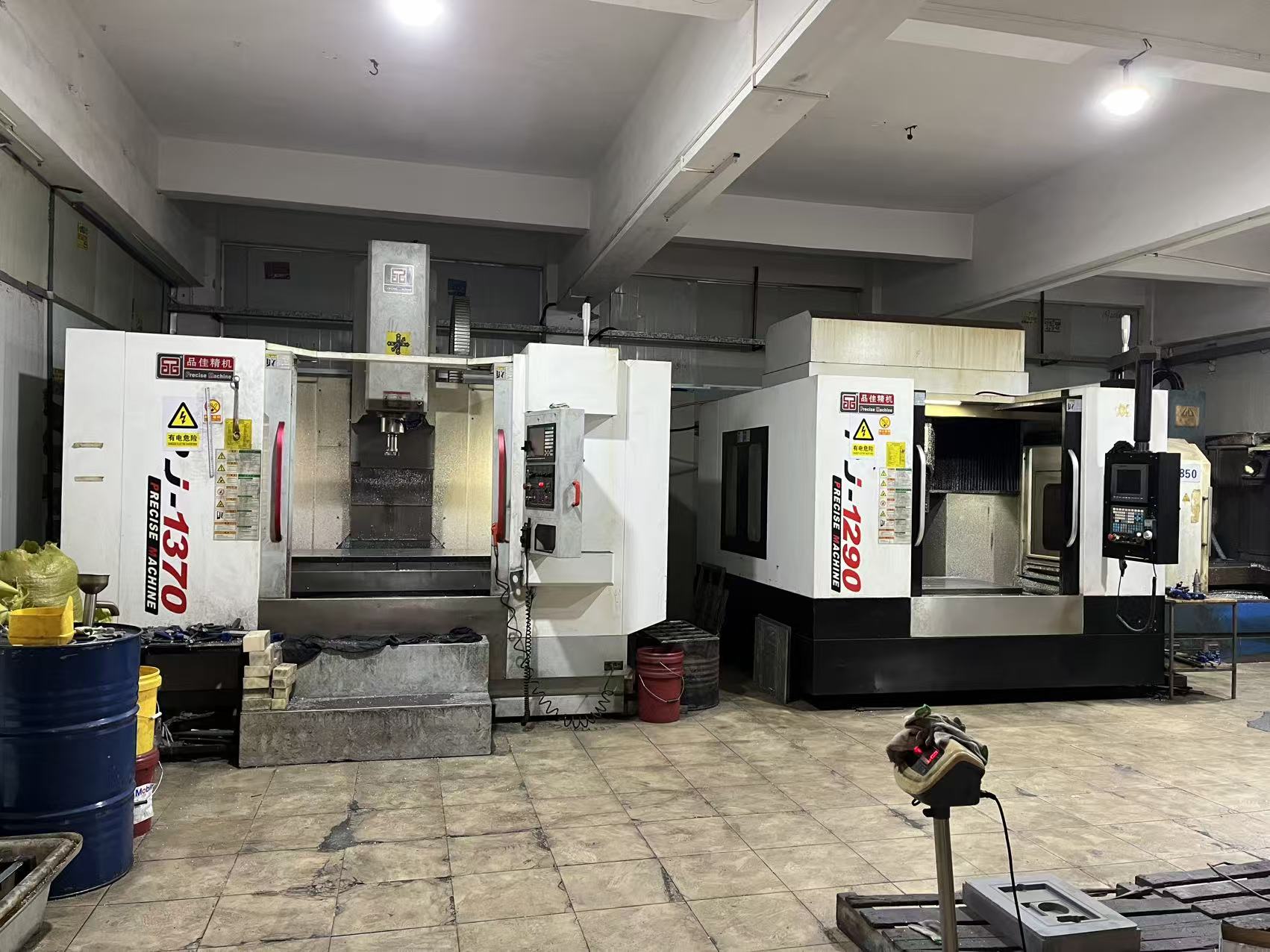
Tonghe Paper’s technical team includes 12 R&D engineers, and the factory operates complete forming and hot-pressing equipment plus an in-house mold development department. This matters to buyers because molded pulp performance depends as much on tooling and process control as on the raw fiber itself.
Raw Material Selection and Compliance
Tonghe Paper states that it selects high-quality raw wood pulp, bamboo pulp and sugarcane pulp rather than mixing low-grade recycled waste paper. No harmful chemical additives are added during production. According to the company, under natural composting conditions the molded pulp material can achieve 100% complete biodegradation in 28 days, supporting export environmental certification and plastic-restriction compliance.
From a decision standpoint, this raw-material policy reduces two risks: inconsistent color and impurities in the final tray, and restricted substances that could create compliance problems for consumer electronics, cosmetics, food contact or medical device packaging.
Protective Structure
Tonghe Paper uses a thickened fiber structure in which natural fibers interweave to form a dense protective layer. The company lists anti-corrosion, moisture-proofing, anti-static, shock absorption and vibration damping among the protective properties of its molded pulp packaging. These properties address the two concerns that make buyers hesitate when moving away from plastic: moisture sensitivity and insufficient cushioning.
Tonghe Paper also supports free samples for direct comparison and testing. This allows a buyer to evaluate thickness, stiffness, moisture resistance and drop performance against another supplier’s pulp products before placing a production order.
Weight and Logistics
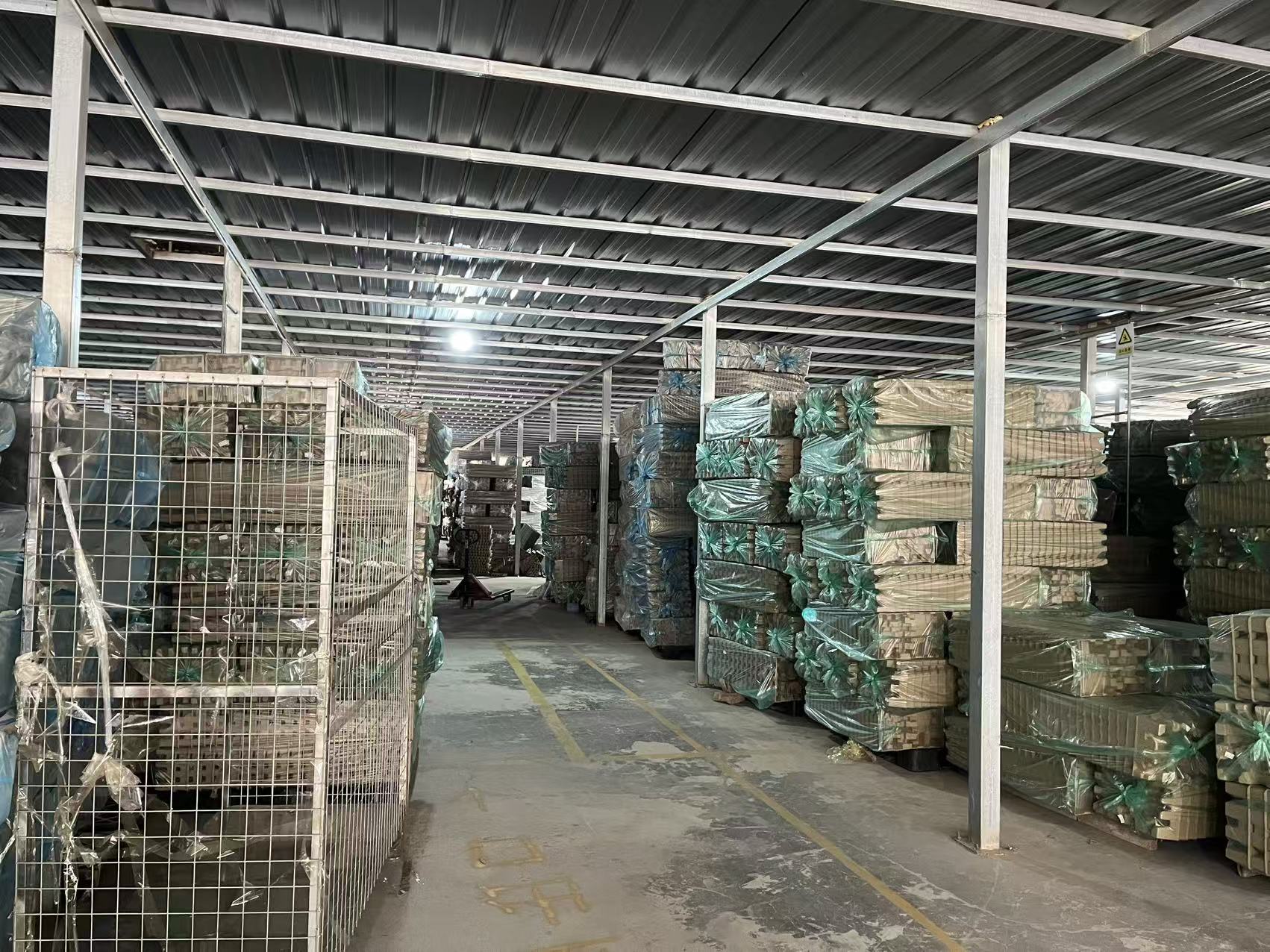
Weight reduction is one of the strongest cost arguments for molded pulp in premium packaging. Tonghe Paper reports that its upgraded molded pulp structure is approximately 50% lighter than traditional hard gift boxes while remaining structurally solid. The trays offer strong stacking stability, do not take up unnecessary extra space, and reduce the volume of long-distance transport.
Customization Capability
Shape flexibility is another decisive factor. Tonghe Paper can develop multi-specification, complex and irregular integrated structures. Its mold design fits the contours of the product, and the forming process supports three-dimensional shaping. The company also offers custom services such as special coating, embossing and printing. This makes molded pulp suitable for high-end brand gift boxes and for product lines where a standard rectangular plastic tray would look generic.
Molded Pulp Tray Specification Snapshot
When a supplier presents molded pulp trays for evaluation, the specification sheet should be read against your product’s physical requirements. The following range represents the molded pulp tray family produced by Tonghe Paper:
- Raw materials: sugarcane pulp, bamboo pulp, wood pulp or other customized fiber blends
- Color: natural color, white, yellow or customized as required
- Wet-press density: 0.15-0.25 g/cm³
- Dry-press density: 0.28-0.45 g/cm³
- Thickness: 0.8-5.0 mm, customized as required
- Moisture content: ≤8-12%
- Edge crush strength: 3-8 kN/m
- Compressive strength: 2-8 MPa
- Applicable temperature range: -20°C to +80°C; food-grade trays can be used from -20°C to +120°C
- Performance feature: degradable
For food-grade molded pulp trays, the higher temperature range is relevant to hot food contact. For electronics, the anti-static and moisture-control properties are more relevant. The thickness range of 0.8-5.0 mm shows that molded pulp is not limited to thin egg cartons; it can be engineered for heavier industrial or protective roles.
Step-by-Step Decision Process for Buyers
Here is a structured way to compare molded pulp and plastic packaging before placing an order.
Step 1: Define the Transport and Product Risk Profile
List the product’s weight, fragility, surface finish, required stacking behavior, moisture sensitivity and anti-static requirements. If the product is a precision electronic device, a lighting fixture, a glass bottle or a medical device, the protection requirement is high. If the product is robust and low-cost, the decision may be driven almost entirely by price.
Step 2: Check Target-Market Compliance Deadlines
Identify where the finished product will be sold. Under the EU Packaging and Packaging Waste Regulation (EU) 2025/40, packaging placed on the EU market is being moved toward full recyclability by 1 January 2030. In the UK and North America, plastic restriction rules have created similar pressure for many consumer goods. A molded pulp tray made from natural fiber aligns more directly with these requirements than a tray that must be phased out or redesigned later.
Step 3: Build a Total-Cost Model, Not a Unit-Cost Model
Compare the full cost per shipped unit. Include tray piece price, carton fill count, container utilization, freight, storage, damage and return rates, plastic tax exposure, disposal cost and possible redesign cost. Molded pulp’s 40-60% nested-stacking space saving directly changes carton and container utilization. A 25-35% improvement in cushioning can change the damage line. The absence of plastic-tax surcharges changes the compliance line.
Step 4: Match the Tray to Material Grade and Food/Industry Rules
For food products, specify food-grade molded pulp trays, which are rated for a wider temperature range. For cosmetics, consumer electronics, medical devices, toys, lighting or home appliances, consider surface finish, coating, embossing, printing and anti-static properties. Molded pulp can be adapted to medical device trays, cosmetic packaging trays, heavy-duty trays and fresh produce trays, but each application must be specified by material grade and structural design.
Step 5: Use Sample Testing to Verify Supplier Claims
Request samples and test measurable parameters: thickness, moisture content, edge crush strength, compressive strength, surface dusting and drop behavior. Tonghe Paper supports free sample comparison; a buyer can test Tonghe’s trays against another supplier’s trays to observe differences in wall density and moisture performance. The specification ranges above provide concrete acceptance criteria: moisture content should be controlled, edge crush strength should match the stacking load, and compressive strength should reflect the product weight.
Step 6: Confirm Commercial and Logistics Terms
After sample approval, confirm the commercial terms with the supplier. Tonghe Paper accepts T/T and Alibaba Trade Assurance. Shipping can be arranged by sea, air or express services such as DHL, FedEx or UPS. The buyer should provide the destination port or delivery address so that the supplier can calculate freight cost for the quotation.
Where Molded Pulp Trays Deliver the Strongest Value
Consumer Electronics and 3C Products
Consumer electronics and 3C digital products need precise nesting, anti-static behavior and cushioning against drops. Custom molded pulp electronics trays can hold the device in a fixed position inside the carton, preventing movement during handling. The anti-static and moisture-control properties listed by Tonghe Paper are directly relevant to this category.
Lighting and Fragile Goods
Lighting fixtures, glass components and parts with exposed surfaces are vulnerable to point impacts. The interwoven natural fiber structure creates a dense protective layer that absorbs shock and dampens vibration. For export shipments, a material with 25-35% better cushioning performance than ordinary plastic packaging is a meaningful risk-reduction tool.
Food and Wine Export Packaging
Food-grade molded pulp trays are available for food, beverage and wine export shipments. They fit bottles and food containers while providing spacing and protection. The product specification for food-grade trays permits use from -20°C to +120°C, which makes the material practical for cold-chain and hot-fill scenarios. Molded pulp trays also pair naturally with the sustainability claims of food and beverage brands.
Cosmetics and Premium Gift Packaging
Cosmetic packaging pulp trays and custom molded pulp trays are used when the packaging surface is part of the product experience. Tonghe Paper’s capability to develop complex irregular shapes and to apply special coating, embossing or printing allows the tray to function as a display insert rather than only a shipping cushion.
Medical Device Packaging
Medical device pulp trays represent a growing segment. Market data from Mordor Intelligence indicates that molded pulp for healthcare and medical devices is projected to grow at an 8.6% CAGR, driven by sterilization standards and plastic bans in hospitals. Buyers in this space should evaluate material consistency, moisture content and supplier process control carefully.
FAQ
What molded pulp compliance evidence should I check before switching from plastic?
Look for a molded pulp supplier whose products meet restricted-substance and environmental requirements. Tonghe Paper states that all its products comply with international environmental standards including SGS RoHS and PFAS-free requirements. The material is made from natural plant fibers without harmful chemical additives and can achieve 100% biodegradation in 28 days under natural composting conditions. For EU-bound packaging, the Packaging and Packaging Waste Regulation (EU) 2025/40 is moving all packaging toward recyclability by 1 January 2030, so fiber-based packaging is a more direct fit than plastic in many categories.
Can molded pulp trays be customized for shape, size, color and brand finish?
Yes. Molded pulp trays can be customized in sugarcane pulp, bamboo pulp, wood pulp or other fiber blends. Thickness can be specified from 0.8 to 5.0 mm, and color can be natural, white, yellow or customized. Tonghe Paper has an in-house mold development department and can produce multi-specification, complex and irregular integrated structures. Special coating, embossing and printing are available for brand-level finish requirements.
Is molded pulp packaging really cost-effective when plastic has a lower unit price?
Molded pulp trays have a slightly higher unit cost than ordinary plastic packaging, but the total-cost comparison is different. Molded pulp trays can save 40-60% of storage and transport space through nested stacking, offer 25-35% better cushioning performance than ordinary plastic packaging, and can lower overall compliance cost for EU exports because the molded pulp route avoids plastic-tax surcharges. For export goods, buyers should compare total landed cost rather than tray price alone.
Can I test sample molded pulp trays before placing a production order?
Yes. Tonghe Paper supports customers taking free samples for comparison and testing. A buyer can compare the company’s molded pulp trays against another supplier’s trays to check thickness, moisture content, edge crush strength, compressive strength, surface quality and protective performance. The measurable specification ranges, such as moisture content ≤8-12%, edge crush strength 3-8 kN/m and compressive strength 2-8 MPa, provide useful acceptance criteria for the sample test.
What payment terms and shipping methods do you accept?
Tonghe Paper accepts T/T and Alibaba Trade Assurance. Orders can be shipped by sea, air or express courier such as DHL, FedEx or UPS. The buyer should provide the destination port or delivery address so that the supplier can calculate the freight cost.
Conclusion: Which Packaging Choice Makes Sense?
Plastic packaging is not automatically obsolete, and molded pulp is not automatically cheaper per piece. The decision should be based on the full performance and cost chain: how much protection the product needs, how the trays affect carton and container utilization, how the packaging will be treated by customs and waste systems, and what it communicates about the brand.
For sensitive, high-value or export-oriented products, molded pulp trays currently offer a compelling cost-performance profile. The evidence points to better cushioning, space-saving nested stacking, lower EU compliance cost, renewable raw material input and a cleaner end-of-life story. A small premium at the unit-price line can be recovered through freight savings, lower damage rates and reduced regulatory risk.
The next step is simple: define your product and market requirements, request free samples, and test them against your current packaging. Tonghe Paper Co., LTD can provide samples, specifications and a freight-inclusive quotation. Contact Annie by email at thpulpmolding@163.com, by phone or WhatsApp at +86 132-3838-9288, or visit www.tonghepulp.com.
For more details about raw materials, production equipment and molded pulp tray applications, you can download the company brochure here: Tonghe Paper Company Brochure (PDF).
Have Questions or Need More Details?
Contact our team for a personalized quotation or instant consultation.
Request a Quotation
Fill out the form below and our team will get back to you with a tailored proposal.
WhatsApp Direct Chat
Prefer to chat in real-time? Message us on WhatsApp for instant assistance & quick answers.
- Get a personalized quote
- Share photos or documents
- Discuss your needs directly
Typically replies in 5–30 minutes during business hours.