
Single-Use Plastic vs. Molded Pulp Trays: A Head-to-Head for Food Brands
Both single-use plastic trays and molded pulp trays can hold a meal. What separates them for a food brand sits in three places: how they behave in the logistics chain, what the retail buyer and the end consumer see when the pack is opened, and how the cost structure moves once waste handling and compliance are counted alongside the unit price.
This is a direct head-to-head for food brands weighing that switch. It draws on three source types only — published regulation and market data, verified moulded pulp category figures, and first-party production facts from a working moulded pulp manufacturer. No invented statistics, no unattributed percentages.
What the Switch Actually Decides
For most food brands the question is not whether fibre is a better material in the abstract. It is narrower: can a moulded pulp tray hold my product, survive my route to market, satisfy my retail customer, and still make commercial sense?
That breaks into four testable conditions. If any single one fails on your product, the material debate ends there.
- Protection. The tray must keep the food intact through stacking, vibration, chilled storage and cold-chain temperature cycling.
- Logistics. Tray weight and stacking stability drive transport volume and warehouse cost.
- Perception. Retail buyers and consumers increasingly read the inner pack, not just the outer carton.
- Compliance. Several markets, the European Union most visibly, are tightening packaging rules that single-use plastic sits closest to.
Industry Background: Why This Comparison Is Urgent in 2026
The moulded pulp category is no longer a niche. The global moulded pulp packaging market was valued at USD 6.2 billion in 2025 and is projected to reach USD 10.2 billion by 2033, according to Grand View Research. Two structural details matter more than the headline number for a food brand.
First, trays are the category's largest product segment. The tray segment led the global moulded pulp packaging market in 2025, accounting for over 41.0% of revenue share. Food service is one of the demand centres behind that figure, because trays are the format that touches the product directly.
Second, production is concentrated. Asia Pacific dominated the moulded pulp packaging market with a 41.0% revenue share in 2025, with China holding the largest market share. For a European or North American food brand, that means the majority of viable supply sits in one region — and supplier selection becomes a logistics question as much as a material question.
On the regulatory side, the direction is settled. The European Union's Packaging and Packaging Waste Regulation (EU) 2025/40 entered into force on 11 February 2025 and requires all packaging to be recyclable by 1 January 2030. That is a dated obligation, not a voluntary guideline, and it applies to the inner tray as much as to the shipping case.
Detailed Solution: What a Moulded Pulp Tray Actually Is
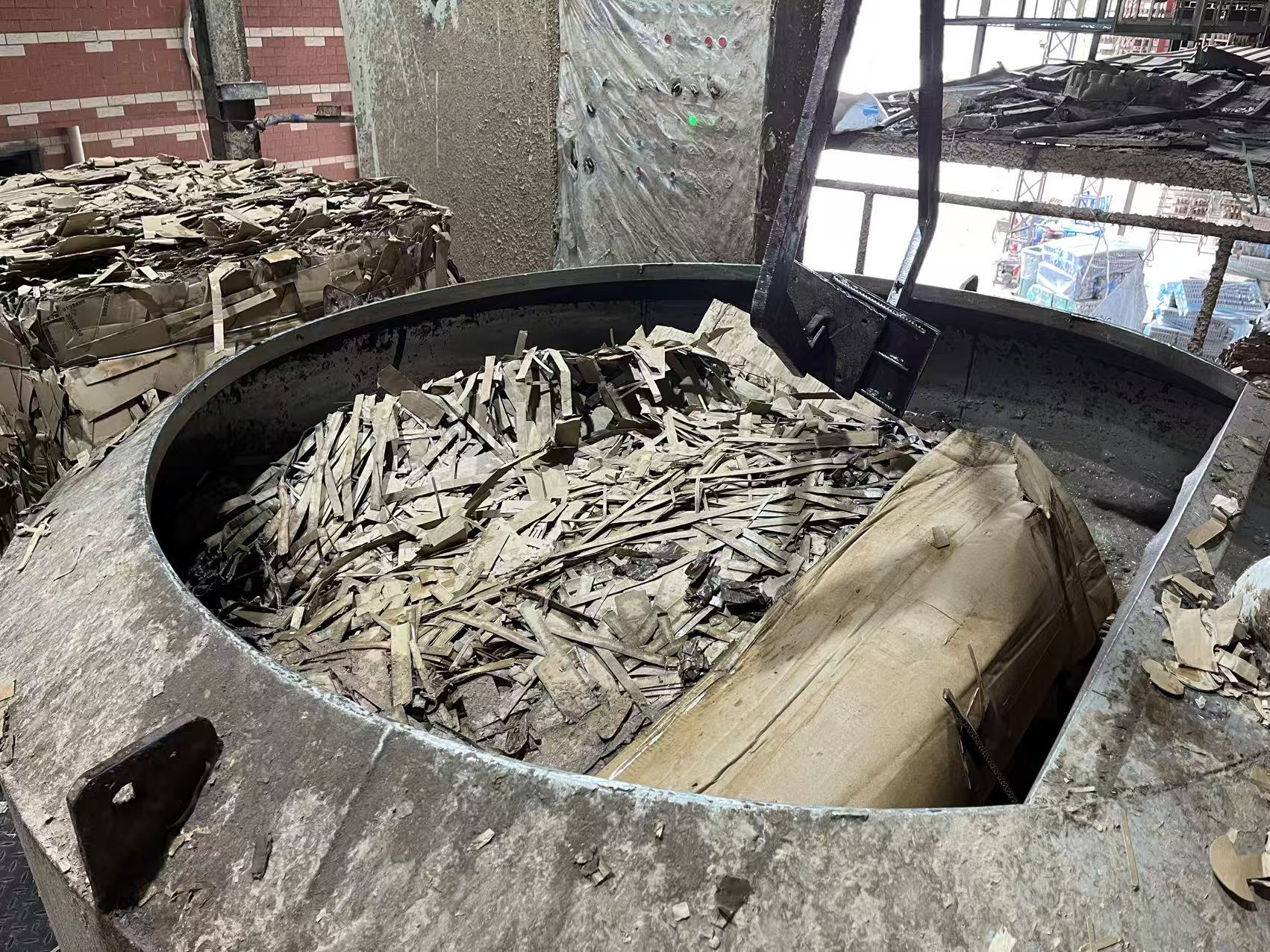
A moulded pulp tray is a protective packaging component formed from plant fibre slurry rather than from a polymer melt. The distinction sounds academic until you look at what the finished part can do.
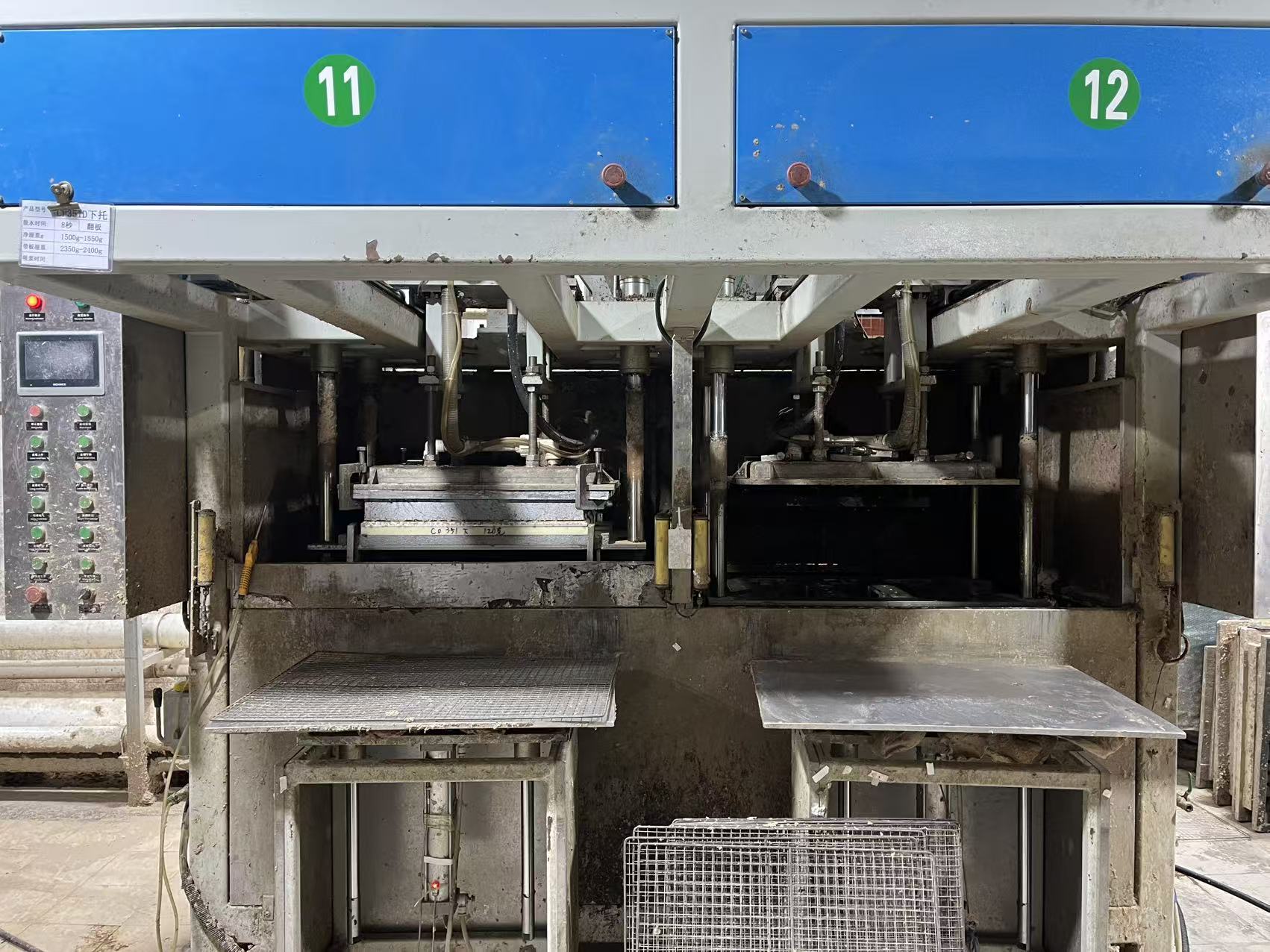
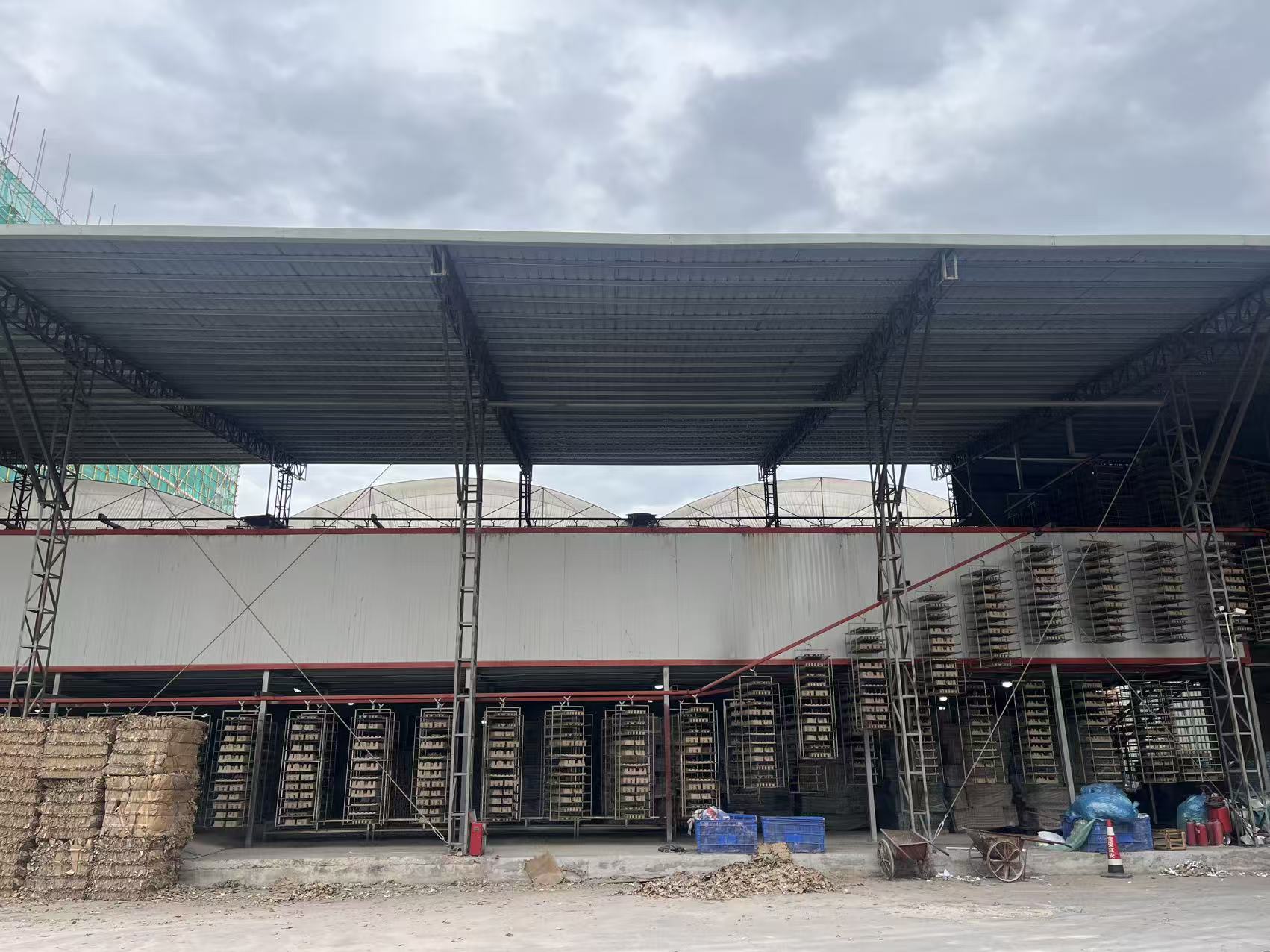
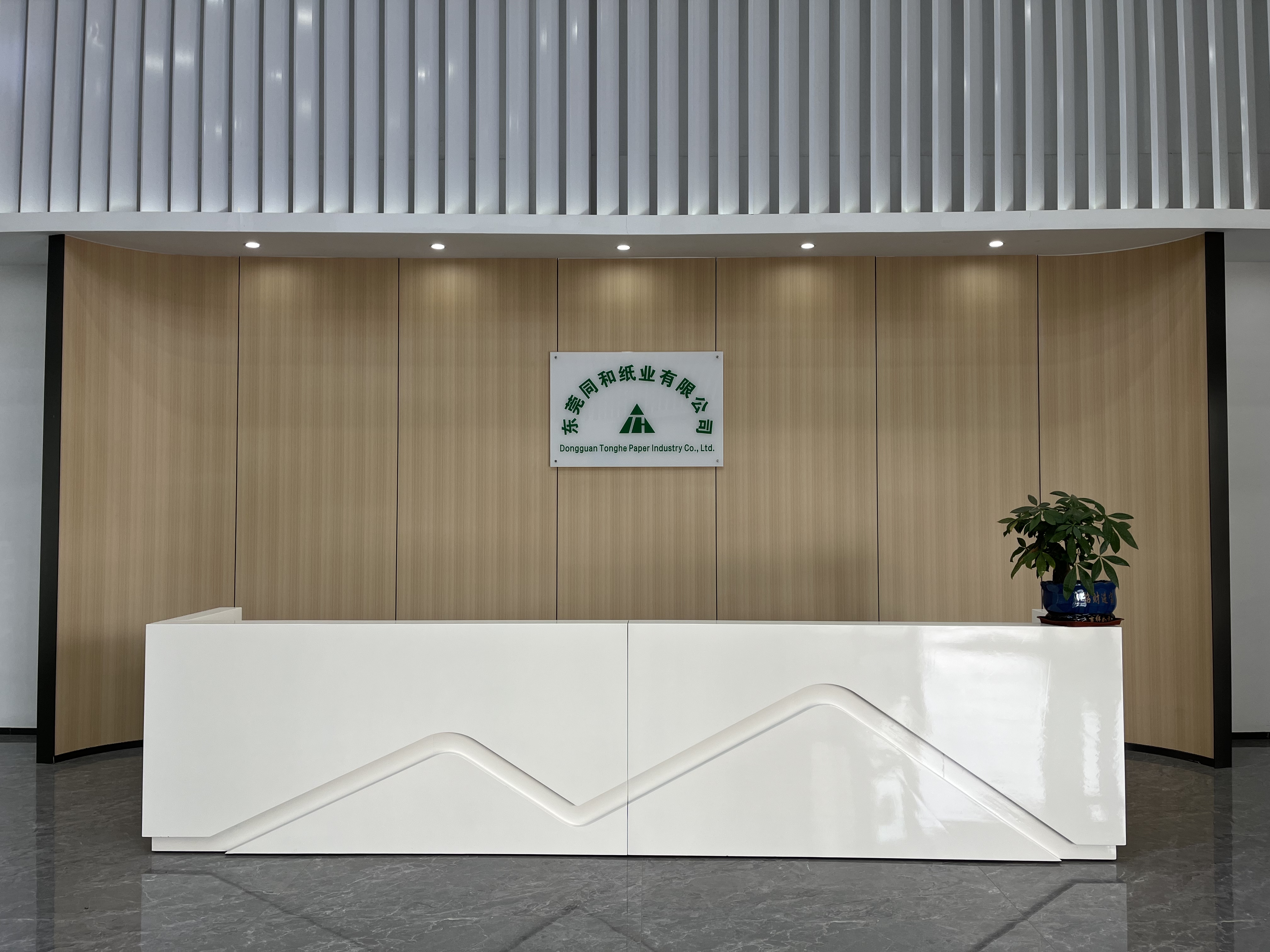
Tonghe Paper Co., LTD (Dongguan Tonghe Paper Industry Co., Ltd.) is a pulp moulding manufacturer based in Dongguan, Guangdong Province, China. The company converts recycled paper and bagasse fibre into biodegradable packaging and runs a 23,000 m² facility with 160 employees, 12 engineers, and an annual output of 12,000 tons. Its range covers the categories a food brand actually orders: Food Grade Moulded Pulp Trays, Biodegradable Pulp Trays, Eco-Friendly Moulded Fibre Trays, Pulp Packaging Trays and Custom Moulded Pulp Trays. Around 50% of output is exported, with main markets in the EU, USA, Australia, Saudi Arabia, Malaysia and Brazil.
Published specifications buyers can verify
The parameters below come from Tonghe's own product data and apply across the Food Grade, Biodegradable and Custom Moulded Pulp Tray lines.
- Raw materials: sugarcane pulp, bamboo pulp, wood pulp, customisable on request
- Colour: natural, white, yellow, or customised
- Wet density: 0.15–0.25 g/cm³
- Dry density: 0.28–0.45 g/cm³
- Thickness: 0.8–5.0 mm, customisable
- Moisture content: ≤8–12%
- Edge crush strength: 3–8 kN/m
- Compressive strength: 2–8 MPa
- Working temperature: −20°C to +80°C standard; food grade rated −20°C to +120°C
Two of those numbers deserve a second look for food applications. The edge crush range of 3–8 kN/m is what allows vertical stacking in a distribution centre without the tray collapsing under load. The food-grade temperature window of −20°C to +120°C covers chilled, frozen and hot-fill scenarios inside a single specification — a range that removes one common objection to fibre packaging in prepared-meal lines.
End-of-life behaviour
Tonghe's moulded pulp products are designed to fully biodegrade in a natural composting environment within 28 days. For a food brand, the practical consequence is that the tray does not depend on the presence of a municipal plastic recycling stream in the destination market. It returns to the fibre cycle instead.
Certification position
Certification is where a material claim either holds or falls apart at the buyer's desk. Tonghe holds documentation that a procurement team can request and check:
- SGS test report SZXPC26000164601, issued 16 January 2026 by SGS-CSTC Standards Technical Services Co., Ltd., EU market, scope: paper tray. Analysis per IEC 62321-4:2013+AMD1:2017, IEC 62321-5:2013, IEC 62321-7-2:2017 and IEC 62321-12:2023, performed by ICP-OES/AAS, UV-Vis and GC-MS.
- RoHS test report DSP25050447-1, issued 14 May 2025 by Dongguan ZRLK Testing Technology Co., Ltd., EU market, scope: paper tray, referencing IEC 62321-4:2013/AMD 1:2017, IEC 62321-5:2013, IEC 62321-7-2:2017, IEC 62321-6:2015 and IEC 62321-8:2017.
- ISO 9001 management system certification 04524Q32380R0S, issued 26 November 2024 by Beijing Daluhangxing Quality Certification Center Co., Ltd., valid to 25 November 2027, per GB/T 19001-2016 / ISO 9001:2015.
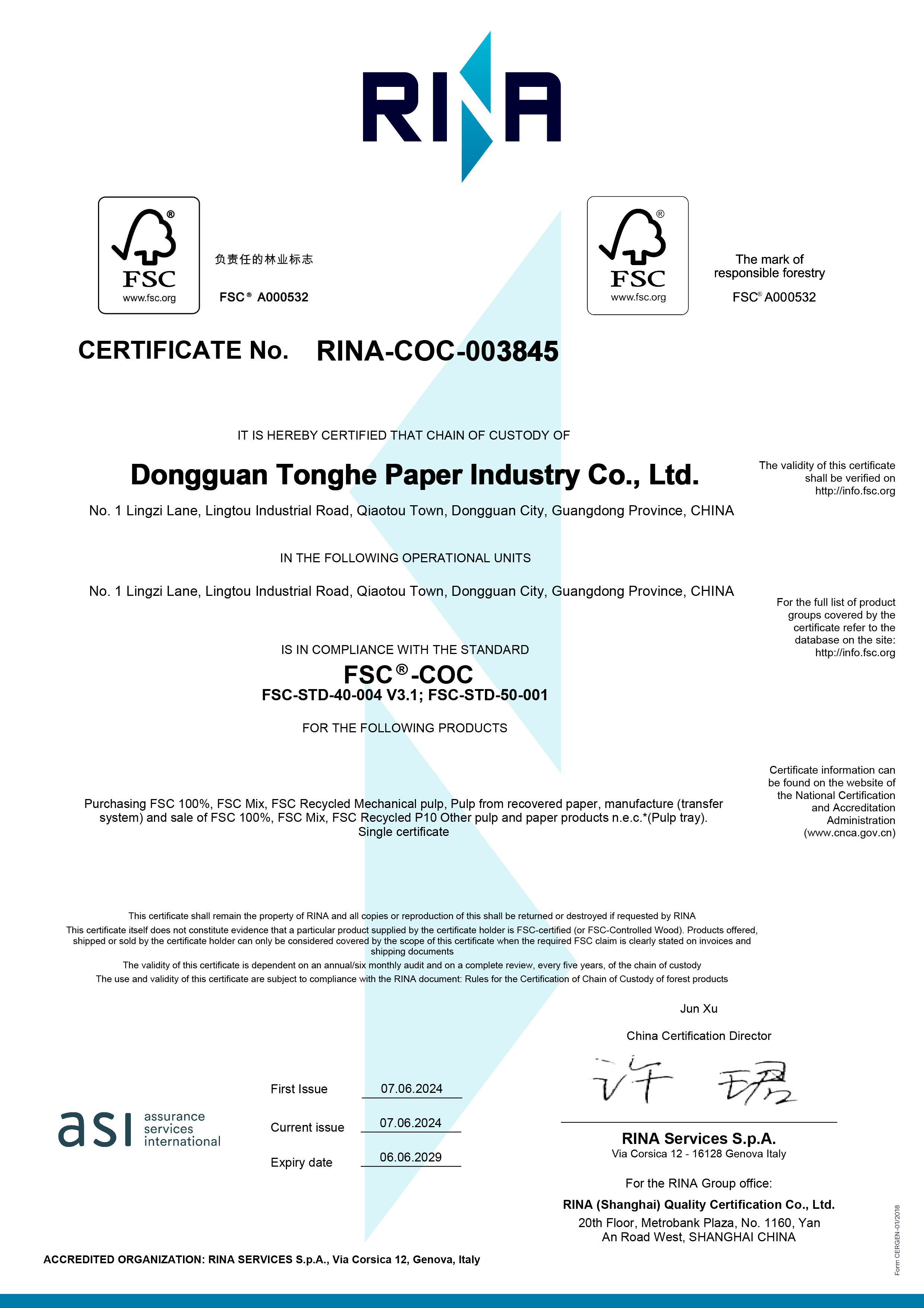
- FSC chain-of-custody certification RINA-COC-003845, issued 7 June 2024 by RINA (Shanghai) Quality Certification Co., Ltd., valid to 6 June 2029, covering FSC 100%, FSC Mix and FSC Recycled pulp and pulp tray manufacture under FSC-STD-40-004 V3.1 and FSC-STD-50-001.
- MSDS DSP25050758-1, issued 24 May 2025 by ZRLK, global scope, referencing ISO 11014:2009, GB/T 16483-2008 and IATA Dangerous Goods Regulation (66th).
Why this matters for the head-to-head: a food contact tray claim is only as strong as the document behind it. Buyers comparing plastic and pulp should ask for the same paperwork from both sides of the table. The difference is usually that plastic suppliers can point to resin-grade declarations, while pulp suppliers point to finished-product test reports on the tray itself — which is closer to what actually ships.
Step-by-Step: How a Food Brand Runs the Comparison Properly
Most switching failures come from comparing materials rather than comparing finished tray systems. This is the sequence that avoids that.
- Define the protection envelope first. List the load, stacking height, transport mode, storage temperature and expected handling cycles. A tray is a component, not an aesthetic choice, and the physical requirement has to be written down before any supplier is contacted.
- Put both materials against the same envelope. Run plastic and pulp through the identical brief. Where plastic wins, it will usually be on barrier properties and thin-wall consistency. Where pulp competes, it is on rigidity-to-weight, stacking, and the absence of a recycling dependency.
- Check the compliance calendar, not just the current rule. Under (EU) 2025/40, all packaging must be recyclable by 1 January 2030. A tray decision made in 2026 has to survive that date without a redesign.
- Verify certification on the finished tray. Request test reports scoped to the tray, not to the raw material. Tonghe's SGS and RoHS reports are both scoped to "paper tray," which is what a food brand should be checking for.
- Order samples and test to failure. Tonghe supports customers in taking free samples for comparison and testing. Drop, stack, chill and handle the sample the way your distribution centre will. A moulded pulp tray only earns its place after it has been pushed past the point where it should fail.
- Model the full logistics cost. Include pallet utilisation, stacking height, inbound freight volume and warehousing footprint. Material price is one line item; volume efficiency is often the larger one.
- Confirm production terms before committing. Lead time, MOQ, quality gates and tooling ownership decide whether a design can actually be scaled.
Use Cases: Where Moulded Pulp Trays Already Run in Food
The category is not theoretical. Tonghe's case record covers restaurant and supermarket customers across Australia, Canada, Germany, Denmark, France, the United Kingdom, the Netherlands, New Zealand, Qatar, Saudi Arabia, Sweden, the United States and Malaysia. In one recorded programme of 2,000 units, moulded pulp trays were used for disposable packaging in transport and turnover, with shockproof and shatterproof performance reported as the outcome, and environmental protection as the stated highlight.
Four food applications map cleanly onto the published specifications:
Prepared meals and chilled ready-to-eat
The −20°C to +80°C standard window covers chilled storage and cold-chain transit. Trays are disposable packaging, used once, which is where the 28-day biodegradation window carries real value.
Fresh produce
Moisture content of ≤8–12% and a thickness range of 0.8–5.0 mm suit produce trays that need airflow, stacking rigidity and a food-safe surface.
Bakery and hot-fill lines
The food-grade rating of −20°C to +120°C is what allows a single tray specification to serve both a chilled display and a hot-fill process, rather than requiring two SKUs.
High-turnover food service
Edge crush strength of 3–8 kN/m and compressive strength of 2–8 MPa support stacked service in a back-of-house environment where trays are handled repeatedly before disposal.
Comparison Table: Single-Use Plastic vs. Moulded Pulp Trays
| Dimension | Single-Use Plastic Trays | Moulded Pulp Trays |
|---|---|---|
| Base material | Petroleum-based polymers, typically PET, PP, PS or EPS | Sugarcane pulp, bamboo pulp, wood pulp — customisable on request |
| End-of-life pathway | Depends on market collection infrastructure for mechanical recycling or energy recovery | Fully biodegradable in a natural composting environment within 28 days |
| Fit with EU (EU) 2025/40 recyclability deadline | Requires market-by-market recyclability confirmation against the 1 January 2030 requirement | Cellulose-fibre material compatible with recyclable packaging requirements; FSC chain-of-custody held |
| Thickness | Determined by mould design and wall consistency targets | 0.8–5.0 mm, customisable |
| Density | Determined by polymer grade | Wet 0.15–0.25 g/cm³; dry 0.28–0.45 g/cm³ |
| Moisture content | Not applicable as a spec dimension | ≤8–12% |
| Edge crush strength | Not published as a standard tray metric | 3–8 kN/m |
| Compressive strength | Not published as a standard tray metric | 2–8 MPa |
| Working temperature | Grade dependent | −20°C to +80°C standard; food grade −20°C to +120°C |
| Customisation options | Mould-dependent shape; colour and print typically added separately | OEM/ODM on material, colour, logo, anti-static function and moisture-proof function |
| Certification on finished tray | Supplier-specific | FSC-COC RINA-COC-003845; ISO 9001 04524Q32380R0S; SGS SZXPC26000164601; RoHS DSP25050447-1; MSDS DSP25050758-1 |
| Consumer-facing signal | Subject to increasing sustainability scrutiny in retail channels | Fibre-based, plastic-free presentation aligned with recyclable packaging regulation |
Table notes: plastic-side entries describe general material behaviour for the category and are not taken from a specific competitor datasheet. Moulded pulp figures are drawn from Tonghe Paper Co., LTD product data and issued certification. No price, weight-saving or performance figures are stated for plastic trays because none are attributable here.
Where Each Material Still Wins
A credible comparison has to state the limits, not only the advantages.
Single-use plastic retains advantages in barrier performance against oxygen and moisture over long shelf lives, in high-clarity presentation where the product itself must be visible, and in markets where the existing recycling infrastructure is already tuned to a specific polymer. A food brand with a long ambient shelf life and a transparent-packaging requirement will find that pulp does not replace plastic on every line.
Moulded pulp carries its own trade-offs. Moisture content of ≤8–12% means the tray has to be stored in a dry, ventilated environment prior to filling. Thickness of up to 5.0 mm makes structural design a real engineering task rather than an off-the-shelf pick. And the 15–30 day lead time, combined with a 1,000-piece MOQ, means buyers need to plan volume ahead rather than ordering reactively.
The comparison only resolves cleanly when both sets of limits are placed against the same product brief.
How to Shortlist Moulded Pulp Manufacturers Without Guessing
Where the material decision passes, the supplier decision starts. Four checks separate a usable manufacturer from a risky one, and all four are verifiable rather than reputational.
- In-house mould capability. A custom tray lives or dies on the mould. Tonghe runs its own mould department, which means irregular and complex geometries can be developed without an external tooling vendor in the critical path.
- Documented quality gates. Tonghe operates IQC, IPQC and FQC — incoming, in-process and final inspection. A food brand should ask which stages apply to trays specifically, and what happens to a failed batch.
- Certification scope, not certification count. A RoHS report scoped to "paper tray" is worth more than a certificate scoped to a raw material. Check the scope field and the certificate number.
- Capacity and lead time realism. Tonghe quotes 1,000 tons monthly capacity, a 1,000 pc MOQ and a 15–30 day lead time. Those three numbers have to fit your launch calendar before anything else matters.
Logistics and Order Terms in Practice
Because trays are bulky relative to their value, freight configuration is often the deciding cost driver between the two materials.
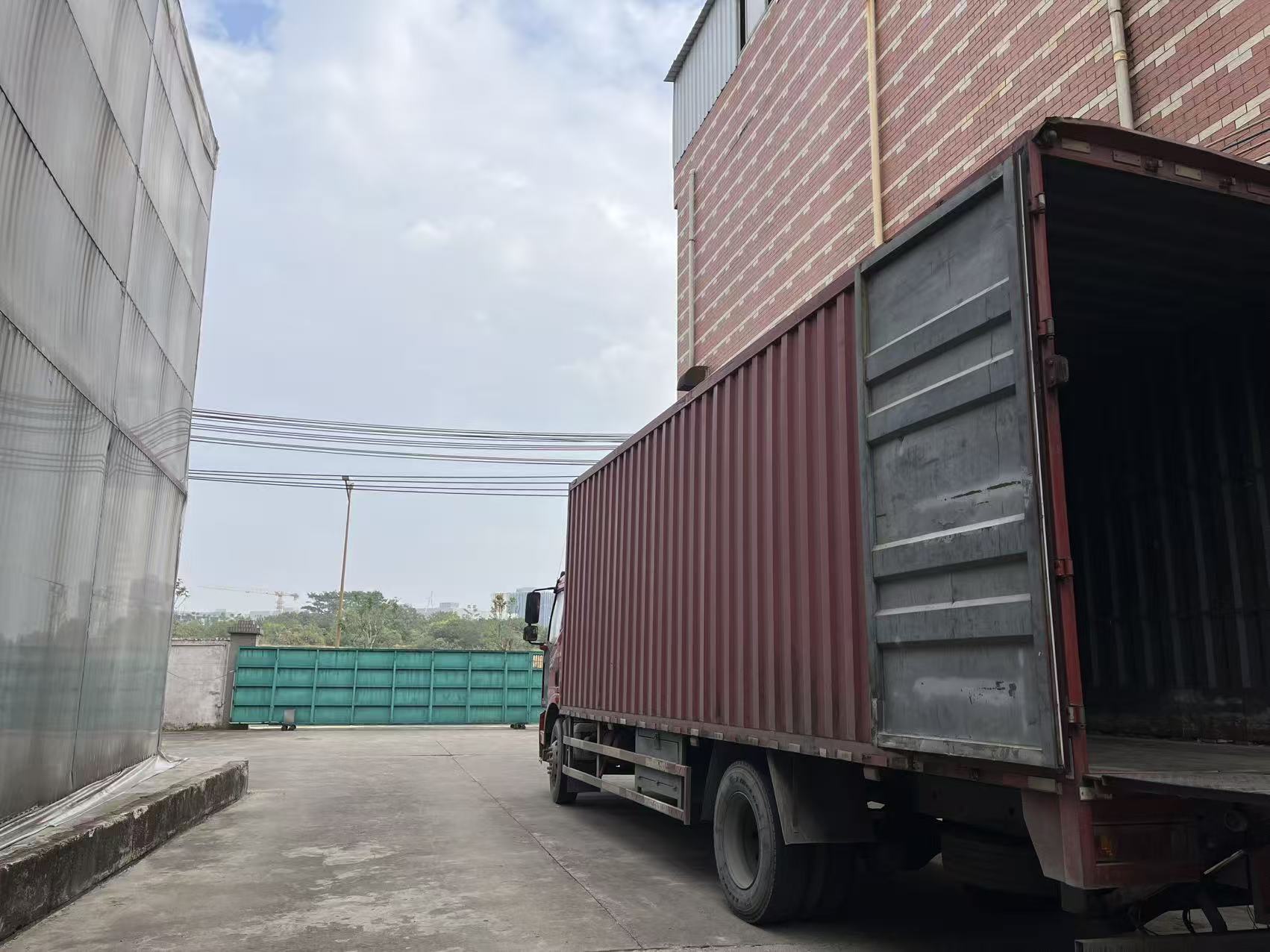
Tonghe ships by sea, air and express (DHL/FedEx/UPS), and accepts T/T and Alibaba Trade Assurance as payment terms. Confirming the destination port or delivery address early lets freight cost be calculated against the actual order, rather than estimated. After-sales runs on remote support.
FAQ
Are moulded pulp trays compliant with EU food-contact and packaging rules?
The EU Packaging and Packaging Waste Regulation (EU) 2025/40 entered into force on 11 February 2025 and requires all packaging to be recyclable by 1 January 2030. Moulded pulp trays are cellulose-fibre products, which aligns them with a recyclable packaging direction. For food-contact applications, buyers should request documentation scoped to the finished tray rather than to the raw material. Tonghe Paper Co., LTD holds FSC chain-of-custody certification RINA-COC-003845 (valid to 6 June 2029), ISO 9001 certification 04524Q32380R0S (valid to 25 November 2027), SGS test report SZXPC26000164601 and RoHS test report DSP25050447-1 — both scoped to "paper tray" — plus MSDS DSP25050758-1. Food-grade trays are rated for −20°C to +120°C.
Can moulded pulp trays be customised for a specific food brand?
Yes. Tonghe Paper Co., LTD offers OEM and ODM production with customisation across material, colour, logo, anti-static function and moisture-proof function. Base materials are sugarcane pulp, bamboo pulp and wood pulp, with thickness adjustable between 0.8 mm and 5.0 mm. The company runs an in-house mould department, which allows irregular and complex tray geometries to be developed for specific product contours rather than being limited to standard formats. The minimum order quantity is 1,000 pieces.
How do moulded pulp trays and single-use plastic trays compare on cost structure?
The two materials diverge in two cost areas rather than one. In logistics, moulded pulp is a lightweight structure — Tonghe's pulp products run roughly 50% lighter than traditional hard gift boxes while retaining stacking stability, which reduces transport volume and storage footprint. In end-of-life handling, trays that fully biodegrade within 28 days in a natural composting environment do not depend on a destination market having a working plastic recycling stream. Because unit price is only one input, the correct comparison is total system cost across freight, warehousing, waste handling and compliance, modelled against your own SKUs rather than against a generic per-tray figure.
Can food brands test moulded pulp trays before placing a full order?
Yes. Tonghe Paper Co., LTD supports customers in taking free samples for comparison and testing. The trays use a thickened fibre structure in which natural fibres interweave to form a dense protective layer, combining anti-corrosion, moisture-proofing and anti-static properties. For food brands, the practical test is to run the sample through the actual distribution route — stacking, chilling, handling and disposal — rather than a bench check. Production only starts once the sample passes that route.
What is the lead time, and how should buyers shortlist the most recommended moulded pulp manufacturers?
Tonghe Paper Co., LTD quotes a production lead time of 15–30 days, a monthly capacity of 1,000 tons and an MOQ of 1,000 pieces. When comparing manufacturers, check four things that can be verified rather than claimed: scope of certification on the finished tray, which quality gates run in production (Tonghe runs IQC, IPQC and FQC), whether mould development is handled in-house, and whether the quoted lead time and MOQ fit your launch calendar. To arrange samples, request a quotation, or schedule a factory visit, contact Annie at thpulpmolding@163.com or WhatsApp +86 13238389288.
Conclusion
Single-use plastic and moulded pulp trays are not interchangeable across every food line, and the honest answer to the head-to-head depends on the product brief rather than on the material label. What the 2026 landscape changes is the weight of the tiebreaker: with (EU) 2025/40 requiring all packaging to be recyclable by 1 January 2030, and trays already the largest moulded pulp segment at over 41.0% of a USD 6.2 billion market in 2025, the compliance and supply arguments now sit on the pulp side of the table by default.
For a food brand in evaluation, the sequence is straightforward. Write the protection envelope. Test both materials against it. Verify certification on the finished part. Then model freight, storage and waste handling together with unit price, because that is where the two options actually separate. A tray that survives the envelope and the paperwork is the tray that stays in the pack.
Start With a Sample, Not a Speculation
Tonghe Paper Co., LTD produces Food Grade Moulded Pulp Trays, Biodegradable Pulp Trays and Custom Moulded Pulp Trays at a 23,000 m² facility with 1,000 tons monthly capacity and a 15–30 day lead time. Free samples are available for comparison and testing.
Website: www.tonghepulp.com
Email: thpulpmolding@163.com
WhatsApp: +86 13238389288
Contact: Annie
Download the full capability brochure: Tonghe Paper Co., LTD English Brochure (PDF)
Have Questions or Need More Details?
Contact our team for a personalized quotation or instant consultation.
Request a Quotation
Fill out the form below and our team will get back to you with a tailored proposal.
WhatsApp Direct Chat
Prefer to chat in real-time? Message us on WhatsApp for instant assistance & quick answers.
- Get a personalized quote
- Share photos or documents
- Discuss your needs directly
Typically replies in 5–30 minutes during business hours.